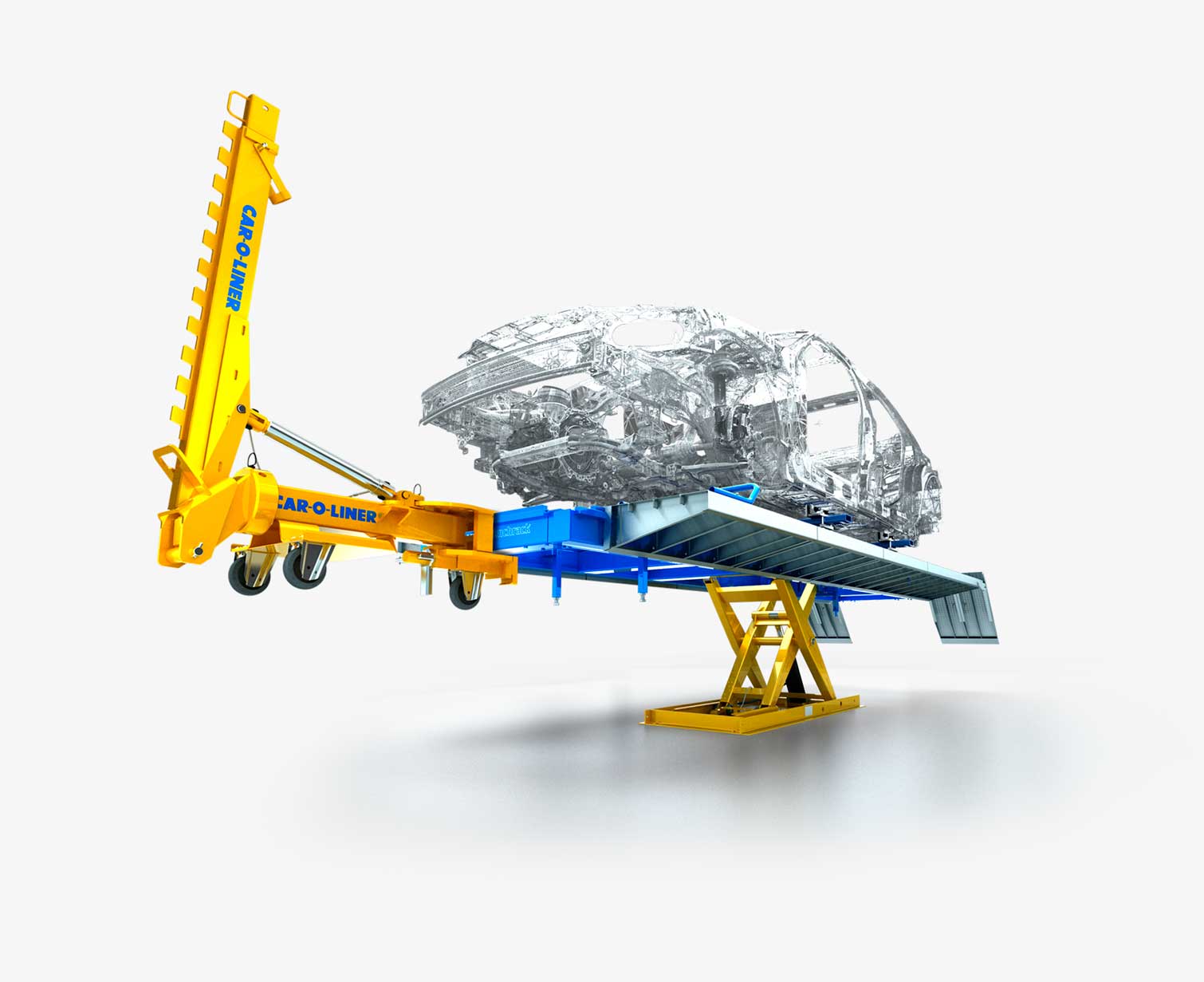
Selecting the right frame machine represents one of the most critical equipment decisions a collision repair shop will make. As vehicle construction continues to evolve with advanced materials and sophisticated engineering, the demands placed on frame straightening equipment have intensified dramatically. Today’s repair environment requires precision tools capable of addressing complex structural damage while maintaining strict adherence to OEM specifications.
Modern Vehicle Complexity Demands Advanced Solutions
The automotive industry’s transition to high-strength steel, aluminum construction, and intricate safety systems has fundamentally changed collision repair requirements. These advanced materials and designs create unique challenges that traditional repair methods cannot adequately address. Even seemingly minor impacts can result in complex frame damage that requires sophisticated equipment and techniques for proper restoration.
The consequences of inadequate frame repair extend far beyond immediate repair quality concerns. Improperly straightened frames compromise vehicle safety systems, accelerate component wear, and can result in costly warranty claims or insurance disputes. Professional repair facilities must ensure their equipment can deliver the precision and reliability that modern vehicle construction demands.
Strategic Equipment Investment for Long-Term Success
Frame machine selection directly impacts your facility’s repair capabilities, operational efficiency, and competitive positioning in the marketplace. The right equipment enables technicians to handle diverse vehicle types with confidence while maintaining the speed and accuracy that drive profitability. Modern frame machines also contribute to improved workshop utilization through enhanced ergonomics and streamlined workflows.
Car-O-Liner, with over fifty years of experience in collision repair technology, understands the critical nature of this equipment decision. Our comprehensive approach to auto frame straightening solutions reflects decades of innovation and technical development designed to meet the evolving needs of professional repair facilities.
Essential Considerations for Equipment Selection
This guide examines seven fundamental factors that collision repair shop owners must evaluate when selecting frame machine equipment. Understanding these considerations will help you make an informed investment that supports both current operational needs and future business growth while ensuring consistent adherence to safety standards and OEM requirements.
Key Factors to Consider Before Purchasing
1. Pulling Capacity and Force Requirements
The foundation of any effective frame machine lies in its ability to generate sufficient pulling force to address the range of damage your shop encounters. Does your chosen equipment meet the needs of your typical vehicle mix? This question extends beyond simple force specifications to encompass the variety of materials and construction methods you’ll encounter.
Modern vehicles increasingly utilize high-strength steel and aluminum structures that require specific force applications and techniques. Your frame machine must be capable of handling these advanced materials without causing additional damage or compromising the metal’s integrity. Equally important is the system’s ability to anchor and hold undamaged portions of the vehicle securely, ensuring that corrective forces are applied precisely where needed.
Consider the types of vehicles that regularly enter your facility. Light passenger cars, heavy-duty trucks, and SUVs each present unique challenges that your equipment must address effectively. A machine that excels with one vehicle type but struggles with others will limit your shop’s versatility and revenue potential.
2. Measuring System Integration
Precision measurement forms the backbone of professional auto frame straightening, making measuring system compatibility a critical consideration. What measuring systems is your frame machine compatible with? The integration between your frame machine and measuring equipment determines both the accuracy of your repairs and the efficiency of your workflow.
User-friendly measurement feedback is essential for maintaining consistent repair quality across all technicians. Systems that provide clear, real-time data enable faster decision-making and more precise corrections throughout the repair process. Additionally, consider how often the measuring system receives updates for new vehicle releases, as this directly impacts your ability to service the latest models entering the market.
Modern measuring systems should seamlessly integrate with your frame machine’s operation, providing continuous feedback that guides the repair process from initial assessment through final verification. This integration eliminates guesswork and ensures every repair meets manufacturer specifications.
3. Facility Space Requirements
Before committing to any frame machine, carefully evaluate whether it will fit your current bay configuration. Space requirements extend beyond the machine’s physical footprint to include operational clearances, technician workspace, and vehicle access considerations.
Power and anchoring requirements represent additional space considerations that impact installation costs and facility modifications. Some machines require specialized electrical connections or floor anchoring systems that may necessitate significant facility updates. Understanding these requirements upfront prevents costly surprises during installation and ensures your chosen equipment integrates smoothly into your existing workflow.
Consider future facility expansion plans as well. Equipment that seems appropriate for your current space may become limiting as your business grows, making scalability an important factor in your decision-making process.
4. Training and Technical Support
The sophistication of modern frame machines demands comprehensive training programs that ensure your technicians can utilize the equipment’s full capabilities. What training is included with your purchase? Quality manufacturers provide extensive initial training that covers both basic operation and advanced techniques specific to different vehicle types and damage scenarios.
Ongoing technical support accessibility proves equally important for maintaining peak performance and minimizing downtime. When questions arise or problems develop, prompt, knowledgeable support can mean the difference between minor interruptions and costly delays. Evaluate the manufacturer’s support infrastructure, including response times, available communication channels, and the depth of technical expertise offered.
Support for different clamping methods and attachment systems ensures your team can adapt to various repair scenarios effectively. As vehicle designs continue evolving, this flexibility becomes increasingly valuable for maintaining repair capabilities across diverse vehicle types.
5. Versatility and Adaptability
Can your chosen frame machine handle various vehicle types effectively? The ability to work on cars, trucks, and SUVs with equal proficiency maximizes your equipment investment and expands your market opportunities. Modern shops encounter everything from compact cars to full-size commercial vehicles, making versatility a crucial consideration.
Adaptability to evolving vehicle construction methods ensures your equipment remains relevant as automotive technology advances. Manufacturers continue introducing new materials, joining techniques, and structural designs that require flexible repair approaches. Equipment that accommodates these changes protects your investment while maintaining your competitive edge.
Ergonomic considerations significantly impact technician productivity and job satisfaction. Frame machines that enable comfortable, efficient work reduce fatigue and injury risk while improving repair quality through better technician focus and precision.
6. Cost and Financing Options
Understanding the total cost of ownership extends far beyond the initial purchase price. What ongoing costs will you incur for maintenance, consumables, software updates, and potential facility modifications? These factors significantly impact your equipment’s long-term value proposition and should factor prominently into your decision-making process.
Financing and leasing options can make high-quality equipment more accessible while preserving working capital for other business needs. Many manufacturers offer flexible payment programs that align equipment costs with revenue generation, improving cash flow management and reducing financial strain.
Consider the opportunity cost of inadequate equipment as well. Lower-cost machines that limit your repair capabilities or require frequent maintenance may prove more expensive over time than premium equipment that delivers consistent performance and reliability.
7. Warranty and Service Agreements
Comprehensive warranty coverage protects your investment while providing peace of mind during the critical early period of equipment operation. What parts and labor are covered under warranty, and for how long? Understanding warranty limitations and exclusions helps you prepare for potential out-of-pocket expenses and evaluate the true cost of ownership.
Preventative maintenance packages can extend equipment life while maintaining peak performance. Regular maintenance prevents small issues from becoming major problems, reducing downtime and repair costs while ensuring consistent repair quality.
Consider the availability of rental equipment or new clamps during low-volume periods or when your primary equipment requires service. This flexibility maintains your repair capabilities even during equipment downtime, protecting revenue and customer relationships.
8. OEM Approval
Ensuring OEM-certified equipment compatibility is also important. Does your chosen frame machine carry approval or certification from major automotive manufacturers? This certification guarantees that repairs performed with the equipment meet manufacturer standards for safety, structural integrity, and warranty compliance.
OEM-approved equipment is specifically designed to integrate with manufacturer repair protocols, including anchoring methods, pulling specifications, and measurement systems tailored to specific vehicle models. This compatibility ensures that your repair procedures align with manufacturer requirements, reducing the risk of warranty disputes or compliance issues.
Using OEM-approved frame machines helps build trust with insurance companies and customers, which can lead to preferred shop partnerships and more business referrals. If problems arise after a repair, having OEM-certified equipment also provides legal protection, since you can prove you followed the car manufacturer’s recommended procedures and used their approved equipment.
Making the Right Choice for Your Shop
Selecting the appropriate frame machine requires careful evaluation of these seven critical factors in the context of your specific business needs. The complexity of modern vehicle construction demands equipment that can meet today’s challenges while adapting to future developments in automotive technology.
Our comprehensive frame machine solutions incorporate decades of industry experience and cutting-edge technology to address the evolving needs of collision repair professionals. Our OEM certification programs also ensure that your equipment meets the highest standards for quality and precision, protecting both your reputation and your customers’ safety.
The Value of Hands-On Evaluation
Before making your final decision, prioritize demonstration opportunities and hands-on evaluation. The best frame machine on paper may not suit your specific workflow, technician preferences, or facility constraints. Direct experience with equipment operation, measurement integration, and overall ergonomics provides insights that specifications alone cannot convey.
Consulting with other shop owners who use similar equipment offers valuable real-world perspectives on performance, reliability, and manufacturer support. Their experiences can highlight potential issues or advantages that may not be apparent during initial evaluations.
Conclusion
Investing in the right frame machine represents a critical decision that will influence your shop’s capabilities, profitability, and reputation for years to come. By carefully evaluating pulling capacity, measuring system integration, facility requirements, training support, versatility, total cost of ownership, and warranty coverage, you can select equipment that meets your current needs while positioning your business for future success.
Take the time for thorough research, hands-on evaluation, and consultation with industry peers before making your final decision. The right frame machine will not only enhance your repair capabilities but also contribute to increased efficiency, improved safety outcomes, and sustained business growth in an increasingly competitive market.