Profitability in collision repairs depends on far more than simply restoring vehicles to pre-accident condition. Repair facilities must balance speed, accuracy, technician efficiency, and customer satisfaction, all while meeting increasingly rigorous OEM repair requirements.
Achieving consistent profitability requires a strategic focus on operational performance. By refining shop layout, implementing standardized processes, and adopting advanced technology, collision centers can reduce cycle times, increase throughput, and position themselves for business growth.
1. Smoother Shop Operations for Improved Workflow
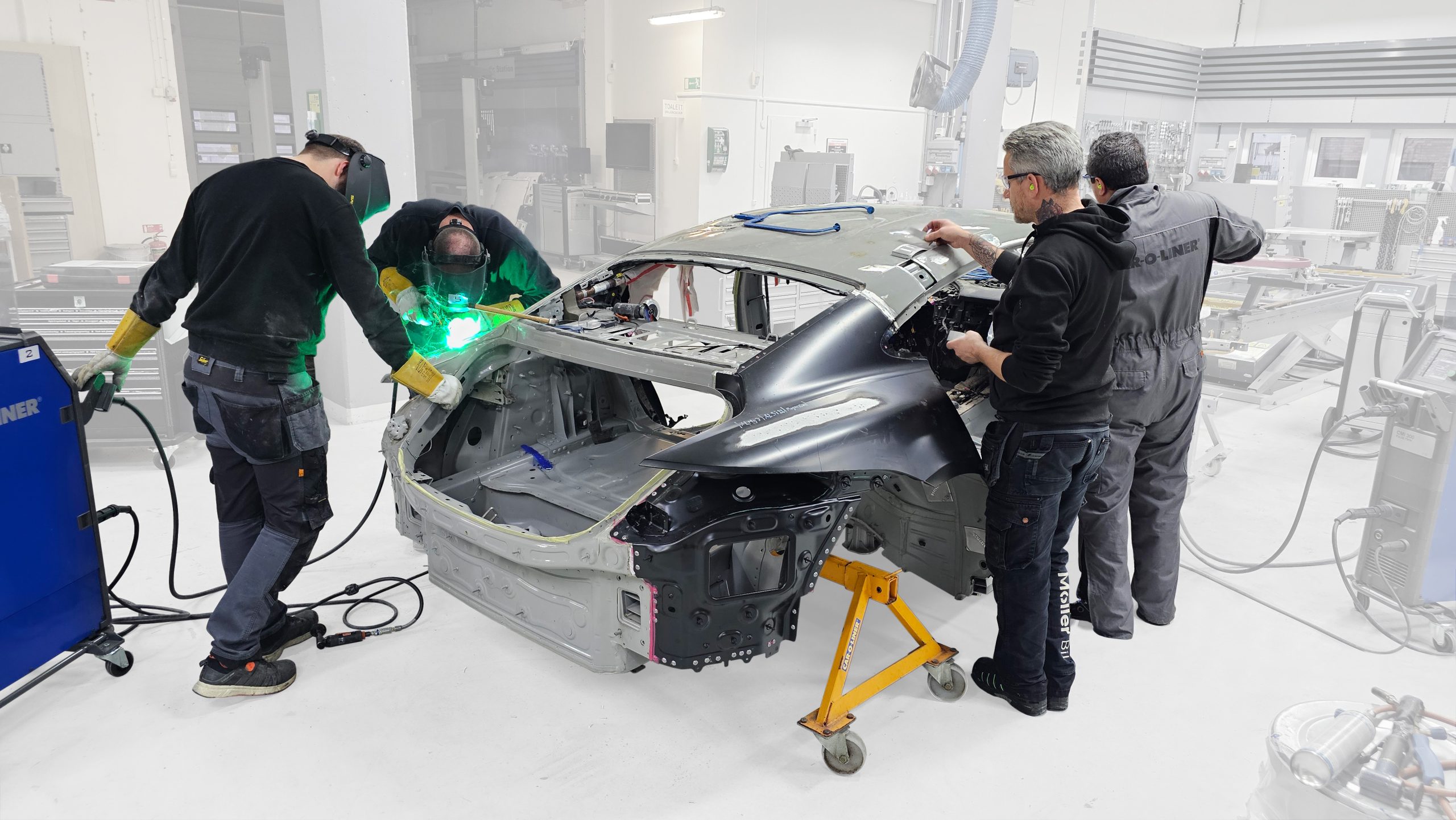
Optimizing the physical layout of a repair facility is one of the most impactful steps an owner can take toward increasing profitability. Clear workflow design, with dedicated zones for disassembly, structural repair, panel preparation, refinishing, reassembly, and final detailing, minimizes vehicle movement and improves technician productivity.
Positioning tools, equipment, and consumables near their point of use further reduces downtime. Simple adjustments, such as dedicated parts carts or strategically located sanding stations, can eliminate unnecessary steps that accumulate into significant time loss across multiple repair orders.
2. Lean Management and Process Refinement
Applying lean management principles allows collision repair shops to systematically identify and eliminate waste. This means reducing wait times between repair stages, minimizing double handling, and improving communication across departments.
Conducting regular process reviews helps management teams uncover bottlenecks and adjust workflows proactively. Shops that commit to continuous process refinement often achieve measurable reductions in cycle time, which directly improves profitability and insurer relationships.
3. Standard Operating Procedures (SOPs) for Consistency
Standard Operating Procedures form the backbone of quality control within a collision repair facility. Written, repeatable steps for each repair stage ensure that every technician performs work to the same high standard, reducing variation and minimizing costly rework.
SOPs should be aligned with OEM repair standards and updated regularly as manufacturer requirements evolve. Solutions like Car-O-Data provide continuously updated vehicle specifications, allowing shops to maintain compliance with OEM procedures and demonstrate repair accuracy to insurers and customers alike.
4. Strategic Investment in Technology and Equipment
Modern collision repair demands precision equipment capable of handling complex vehicle structures. Investment in advanced measuring systems, such as Car-O-Tronic, provides accurate, real-time data to guide structural repairs and document compliance with OEM specifications.
ADAS calibration equipment is now an essential component of shop capability, ensuring that advanced safety systems function correctly after collision repairs. Portable benches, mobile pulling systems, and well-maintained hand tools also contribute to improved technician efficiency by reducing setup time and unnecessary vehicle movement.
These investments often deliver rapid returns through reduced cycle times, improved repair accuracy, and increased customer and insurer confidence.
5. Technician Training and OEM Certification
As vehicles become more technologically advanced, continuous technician education is vital. Training programs that focus on emerging repair techniques, material handling, and proper equipment operation improve both repair quality and shop efficiency.
Encouraging technicians to obtain OEM certifications not only enhances credibility with insurers and customers but also ensures that repairs meet manufacturer specifications. A highly skilled workforce represents a competitive advantage that directly impacts shop profitability and reputation.
6. Customer Communication and Experience
While technical excellence is critical, customer experience remains a powerful driver of repeat business and referrals. Clear, consistent communication throughout the repair process builds trust and reduces incoming status calls, allowing staff to stay focused on production.
Providing detailed explanations of repair procedures and estimated timelines helps manage expectations, while post-repair surveys offer valuable feedback for service improvement. Shops that deliver a positive customer experience are more likely to receive strong online reviews and insurer recommendations, which translate into sustained business growth.
Looking Beyond the Repair: Building a Future-Ready Business
Profitability today is important, but sustainability tomorrow is critical. Collision repair facilities must prepare for ongoing changes in vehicle design, repair requirements, and customer expectations. Electric vehicles, advanced driver-assistance systems, and lightweight construction materials are no longer niche concerns; they’re rapidly becoming standard.
Forward-thinking shop owners evaluate upcoming industry trends and invest strategically to stay ahead of regulatory requirements and OEM repair procedures. This might include expanding capabilities for aluminum repair, upgrading calibration systems to accommodate new ADAS configurations, or training technicians on the unique structural characteristics of EV platforms.
Establishing strong partnerships with trusted equipment manufacturers and data providers helps shops remain current as the industry evolves. By anticipating change rather than reacting to it, repair facilities safeguard their reputation, maintain insurer confidence, and secure their competitive advantage for years to come.
Building Long-Term Profitability Through Continuous Improvement
Profitability in collision repair is the result of many small, consistent improvements rather than single large changes. A facility that maintains a disciplined approach to workflow optimization, invests strategically in technology, and commits to staff development will consistently outperform competitors in both efficiency and quality.
Our comprehensive range of collision repair solutions, from measuring systems and benches to calibration equipment and OEM data access, is designed to help professional repair facilities meet the challenges of modern vehicle construction while maintaining profitability.
By continuously refining processes, leveraging advanced technology, and prioritizing both technician expertise and customer experience, collision repair shops can create a sustainable competitive advantage and secure their position in an evolving industry.