Efficient auto body repair procedures can transform a collision repair shop’s productivity and profitability. Committing to a standardized repair process ensures consistent quality, maximizes throughput, and builds customer trust. For auto body repair professionals and shop owners, mastering these procedures is essential to handling more volume while maintaining exceptional standards.
At Car-O-Liner®, with over fifty years of innovation in collision repair technology, we understand that success depends on following proven repair procedures. This comprehensive guide will walk you through each critical step of the auto body repair process, helping you optimize efficiency and deliver superior results every time.
What Are Auto Body Repair Procedures?
Auto body repair procedures are the systematic, standardized steps technicians follow to restore damaged vehicles to their pre-accident condition. These procedures cover everything from initial damage assessment to final delivery, ensuring that structural integrity, appearance, and functionality are fully restored after a collision.
The primary goal of repair planning is to restore vehicles to manufacturer specifications while maintaining safety standards. This involves both cosmetic repairs, addressing visible damage like scratches and dents, and critical structural repairs that restore frame integrity and alignment.
Following standardized repair procedures matters for several reasons:
- Safety: Proper procedures ensure vehicles meet manufacturer safety standards and protect occupants in future collisions
- Value preservation: Adhering to OEM repair procedures maintains vehicle resale value and warranty coverage
- Quality consistency: Professional equipment like our precision measuring systems and frame machines ensures repairs meet exact factory specifications, delivering consistent results that build customer confidence and referrals
Step 1: Damage Assessment and Estimate
Thorough damage assessment forms the foundation of every successful auto body repair. Skilled technicians begin with comprehensive visual inspections, examining both obvious collision damage and potential hidden issues. This process often includes diagnostic scans of modern vehicle systems and careful disassembly of damaged areas to reveal the full extent of structural damage.
Hidden damage frequently emerges only after initial assessment begins. What appears as minor bumper damage may reveal significant frame misalignment or suspension component damage underneath. Experienced technicians know that thorough initial assessment prevents costly surprises and project delays later in the repair process.
Developing accurate repair estimates requires sophisticated tools and expertise. Professional shops utilize advanced repair planning software and computerized measuring equipment to create detailed, precise estimates. Our measuring systems enable technicians to assess structural damage with millimeter precision, ensuring estimates accurately reflect the necessary repair work.
Step 2: Insurance Coordination and Authorization
Insurance adjusters play a critical role in reviewing and approving estimates. Clear documentation, detailed photos, and precise measurements help streamline this process, reducing delays and ensuring authorization for all necessary repairs.
Effective insurance coordination requires clear communication and proper documentation:
- Communication channels: Maintain clear contact between shop, insurance companies, and vehicle owners throughout the repair process
- Essential documentation: Comprehensive damage photos, detailed repair blueprints, and accurate estimates that clearly outline all necessary work
- Supplement procedures: Established processes for handling additional hidden damages discovered during repairs
- Coverage clarity: Understanding policy variations helps communicate potential out-of-pocket expenses to customers
Step 3: Disassembly and Parts Ordering
Strategic disassembly reveals the full scope of collision damage while maintaining efficiency. Systematic teardown procedures ensure that all damaged components are identified before repair work begins, preventing costly rework and delays.
Full disassembly often uncovers damage invisible during initial assessment. What appears as minor body panel damage may reveal underlying structural issues requiring frame repair. Professional shops document this process thoroughly, photographing each stage and noting all discovered damage for insurance supplements.
Strategic parts procurement involves understanding component options and managing inventory:
- OEM parts: Ensure perfect fit and finish but may require longer lead times
- Aftermarket parts: Provide cost savings with acceptable performance for many applications
- Recycled parts: Offer budget-friendly options for specific repair scenarios
- Supplier relationships: Maintain connections with multiple suppliers to minimize vehicle downtime
- Inventory management: Advanced tracking systems coordinate delivery timing with repair schedules
Step 4: Structural and Frame Repair
Structural and frame repairs demand precision, expertise, and specialized equipment. This critical phase restores vehicle safety and handling characteristics, making it essential that technicians follow manufacturer specifications exactly.
Frame straightening and structural repairs require computerized measuring systems for accuracy. Our advanced measuring technology enables technicians to assess and correct frame damage with factory-level precision. These systems use 3D electronic measurement and computerized analysis to ensure that every structural component returns to exact manufacturer specifications.
Modern collision repair involves diverse materials requiring specialized approaches:
- Steel components: Traditional welding and pulling methods with proven techniques
- Aluminum repairs: Specific procedures, tools, and certified technicians due to material properties
- Compliance requirements: OEM procedures and welding certifications protect repair quality and shop liability
- Equipment standards: Professional-grade tools ensure repairs meet or exceed original safety standards
Step 5: Body Work and Surface Repairs
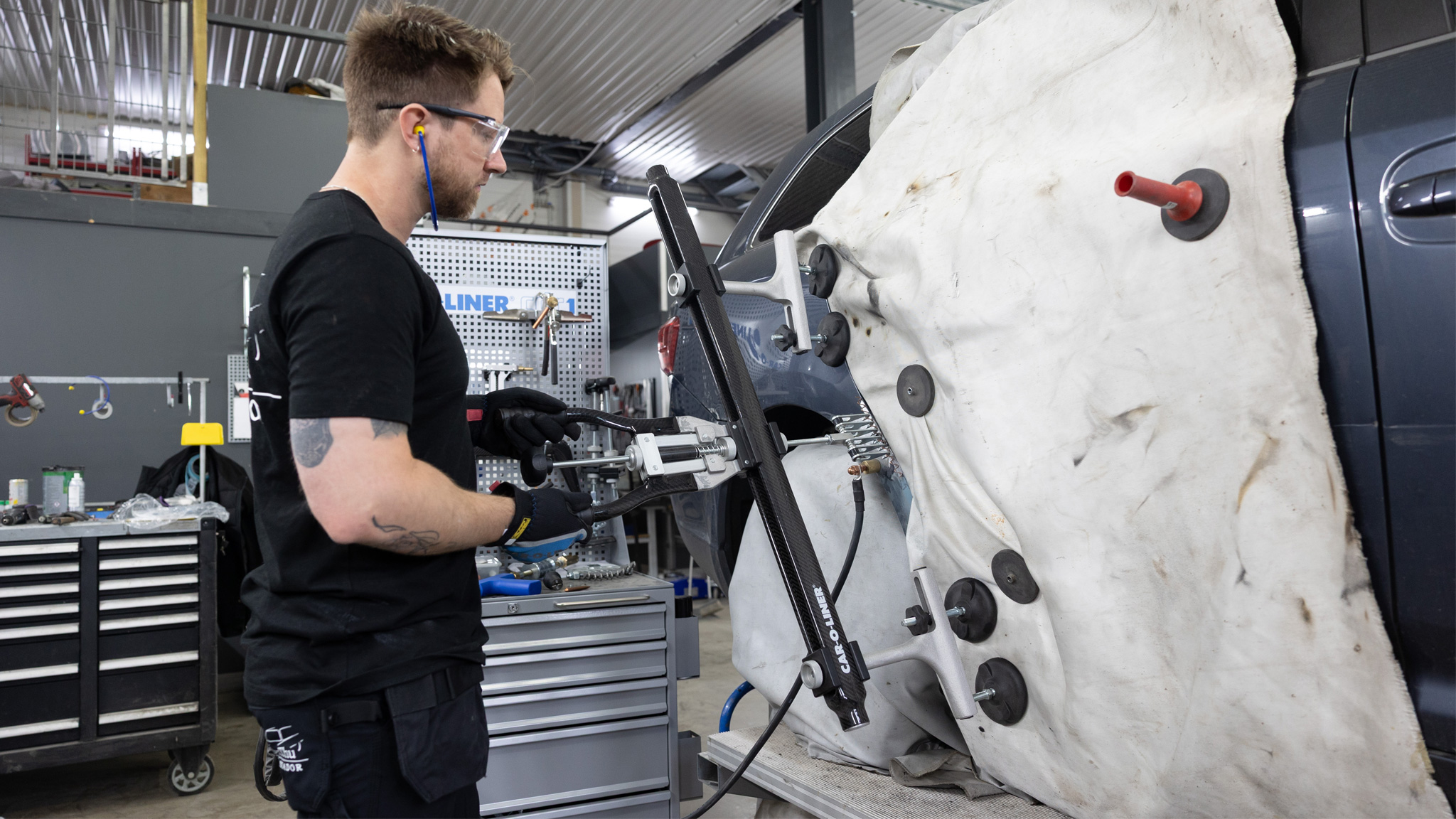
Body work and surface preparation ensure paint adhesion and long-term durability. Repair techniques vary by damage severity, minor dents respond to paintless dent repair, while extensive damage requires traditional bodywork including sanding, filling, and reshaping. Experienced technicians maintain proper body lines and panel gaps throughout the process.
Body panel replacement becomes necessary when the repair cost exceeds replacement benefits or structural integrity is compromised. Common procedures for bumpers, doors, hoods, and quarter panels require precise fitting and alignment. Quality control involves multiple inspection points to verify fit, finish, and alignment before painting.
Step 6: Painting and Refinishing
Professional painting and refinishing require controlled environments, quality materials, and skilled techniques. The painting process involves multiple stages: surface preparation, priming, color matching, application, and clear coating.
Professional painting requires controlled processes and quality materials:
- Surface preparation: Thorough cleaning, masking, and final preparation in dust-free environments
- Spray booth conditions: Controlled temperature, humidity, and air filtration for optimal application
- Color matching: Computerized systems combined with skilled technician judgment for seamless blends
- Application stages: Priming, color matching, base coat application, and clear coating
- Quality control: Visual inspections, proper curing procedures, and minor corrections as needed
Step 7: Reassembly and Quality Control
Vehicle reassembly requires systematic attention to detail and thorough testing of all systems. Modern vehicles incorporate numerous electronic systems, sensors, and safety features that must function properly after collision repair.
Final quality control encompasses comprehensive system verification:
- Component installation: Lights, trim pieces, interior panels, and electronic sensors positioned precisely
- ADAS recalibration: An Advanced Driver Assistance System requires specialized equipment and trained technicians
- System testing: Panel alignment, electronic functionality, and comprehensive road testing
- Diagnostic verification: Our equipment ensures all systems operate within manufacturer specifications
- Checklist completion: Detailed checklists guarantee nothing is overlooked before delivery
Final Steps: Delivery, Warranty, and Customer Satisfaction
Professional delivery procedures complete the repair process with thorough vehicle walkthroughs that explain completed work and demonstrate restored functionality. Quality shops also tend to provide comprehensive warranties and maintain clear customer support channels to build confidence.
We also find that customer feedback and satisfaction surveys drive continuous improvement, while strong customer service directly impacts referrals and long-term success. Professional shops understand that every satisfied customer represents multiple future referrals, making service excellence a critical business strategy.
The Car-O-Liner Solution
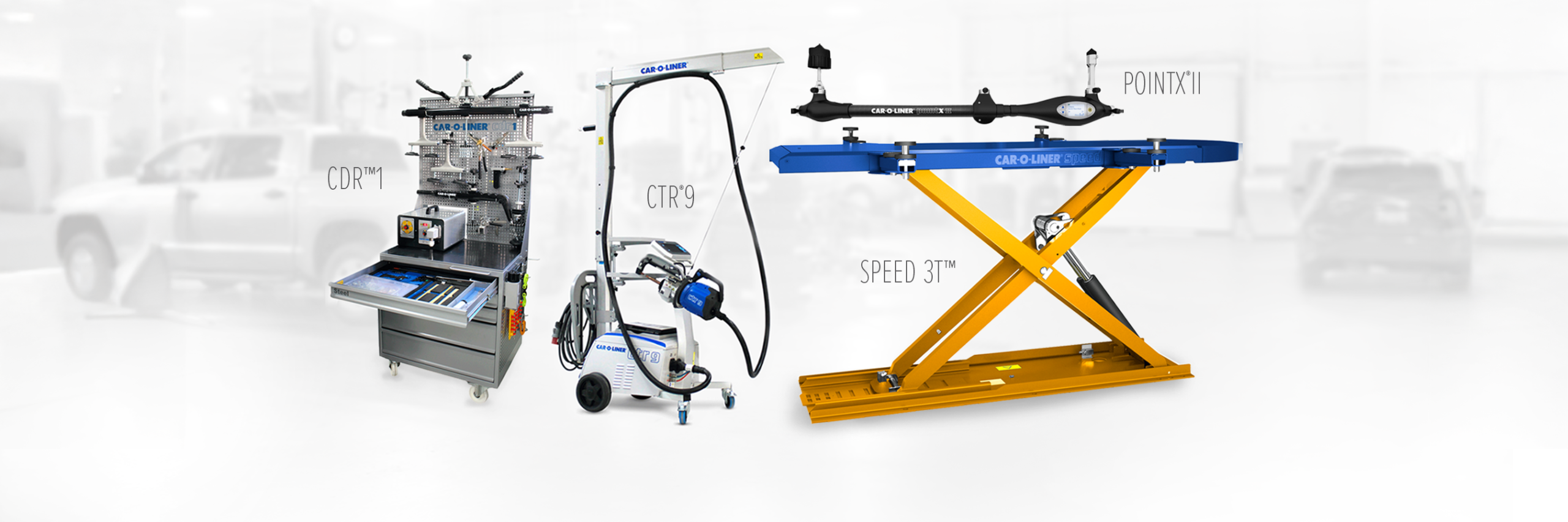
Advanced equipment and training are vital for mastering repair planning in a future driven by innovation. We provide shops with advanced solutions to meet the demands of evolving vehicle designs. Damage assessment can be performed using a variety of lift types alongside the PointX® II, enabling technicians to work with speed and accuracy. These systems provide:
- Accurate diagnostics using measuring technology with PointX II
- Modular WorkShop Solutions (WSS) 2-wall storage for organized tool access
- Integration with Vision2™ software for streamlined diagnostics and repair documentation
Through the Car-O-Liner Academy, technicians gain hands-on experience and forward-thinking knowledge in all vehicle systems, positioning shops to thrive in an increasingly high-tech, automated industry.
Customers choosing shops with Car-O-Liner equipment gain unmatched value. The precision of our products ensures repairs meet stringent manufacturer standards, preserving safety, performance, and efficiency in EVs and beyond.
Structural Frame Repair Solution
When your repair work extends beyond cosmetic damage assessment and into structural repairs, we offer a separate line of systems that you can depend on for even the toughest of collision repair tasks. These systems include our:
- BenchRack™ frame machine for unibody to full-frame straightening
- EVO™ 1-2-3 anchoring and holding systems that work with every vehicle year, make and model
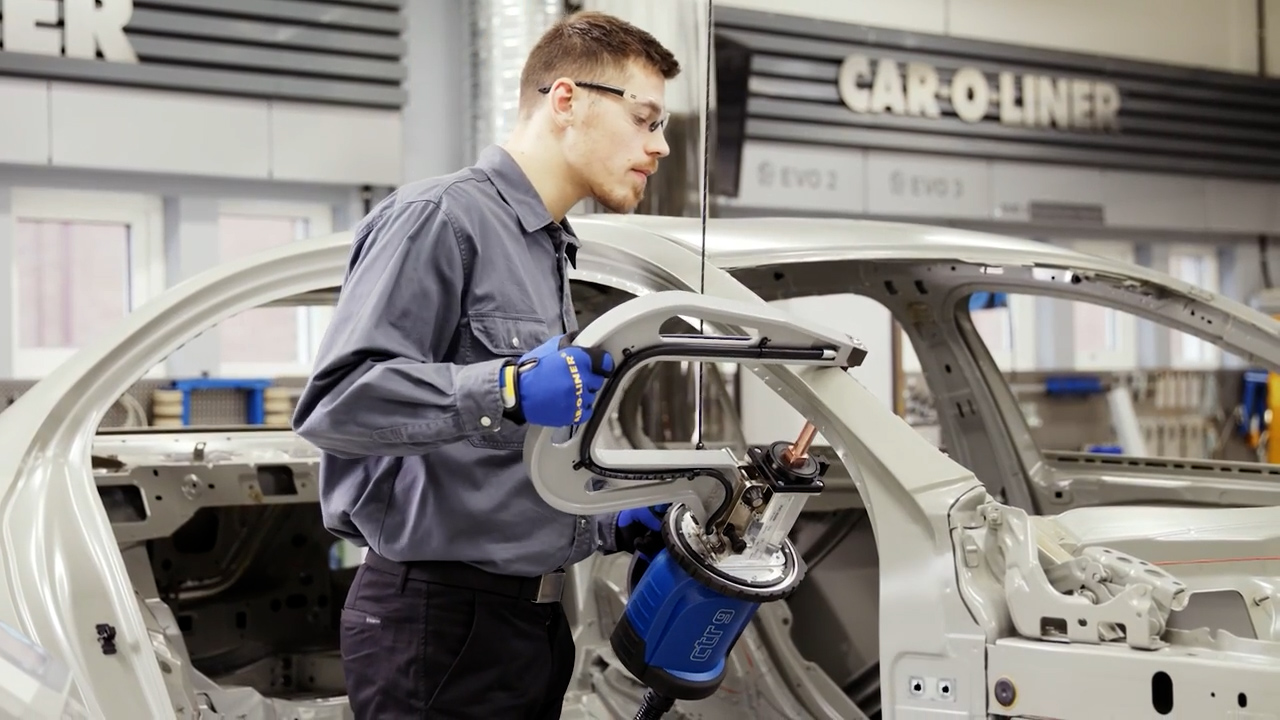
- CTR®9 for fully-automatic resistance spot welding
- and Car-O-Tronic®, the most powerful electronic measuring system available on the market today
Conclusion
Mastering auto body repair procedures requires commitment to excellence, investment in professional equipment, and continuous training for technicians. Following standardized procedures ensures consistent quality, maximizes efficiency, and builds the reputation that drives business growth.
The collision repair industry demands precision, expertise, and reliability. Shops that invest in proper procedures, professional equipment, and skilled technicians position themselves for sustained success in an increasingly competitive market.Ready to enhance your shop’s capabilities? Explore our comprehensive range of collision repair equipment and discover how our innovative solutions can streamline your repair procedures and increase your shop’s productivity. View our product line to learn more about our precision measuring systems, frame machines, and complete collision repair solutions.