Paintless Dent Repair (PDR) offers a revolutionary approach to fixing minor dents and dings without touching your vehicle’s original paint. Unlike traditional dent repair that requires sanding, body filler, and repainting, PDR preserves the factory finish while delivering faster, more affordable results. This technique excels at removing door dings, hail damage, and minor impact dents, saving both time and money for vehicle owners.
In this article, we explain how PDR works, when you can use it, and what specialized tools professional shops need to deliver exceptional results. You’ll discover the techniques that make PDR possible and learn why adding this service can give auto body shops a competitive edge.
How Paintless Dent Repair (PDR) Works
Access the Dent
Technicians start the PDR process by gaining access to the backside of the damaged panel. This often requires removing interior trim, door panels, upholstery, or other components. When full removal isn’t possible, technicians work through small holes or existing access points in the vehicle’s structure. Proper access determines the success of the entire repair.
Massage the Metal
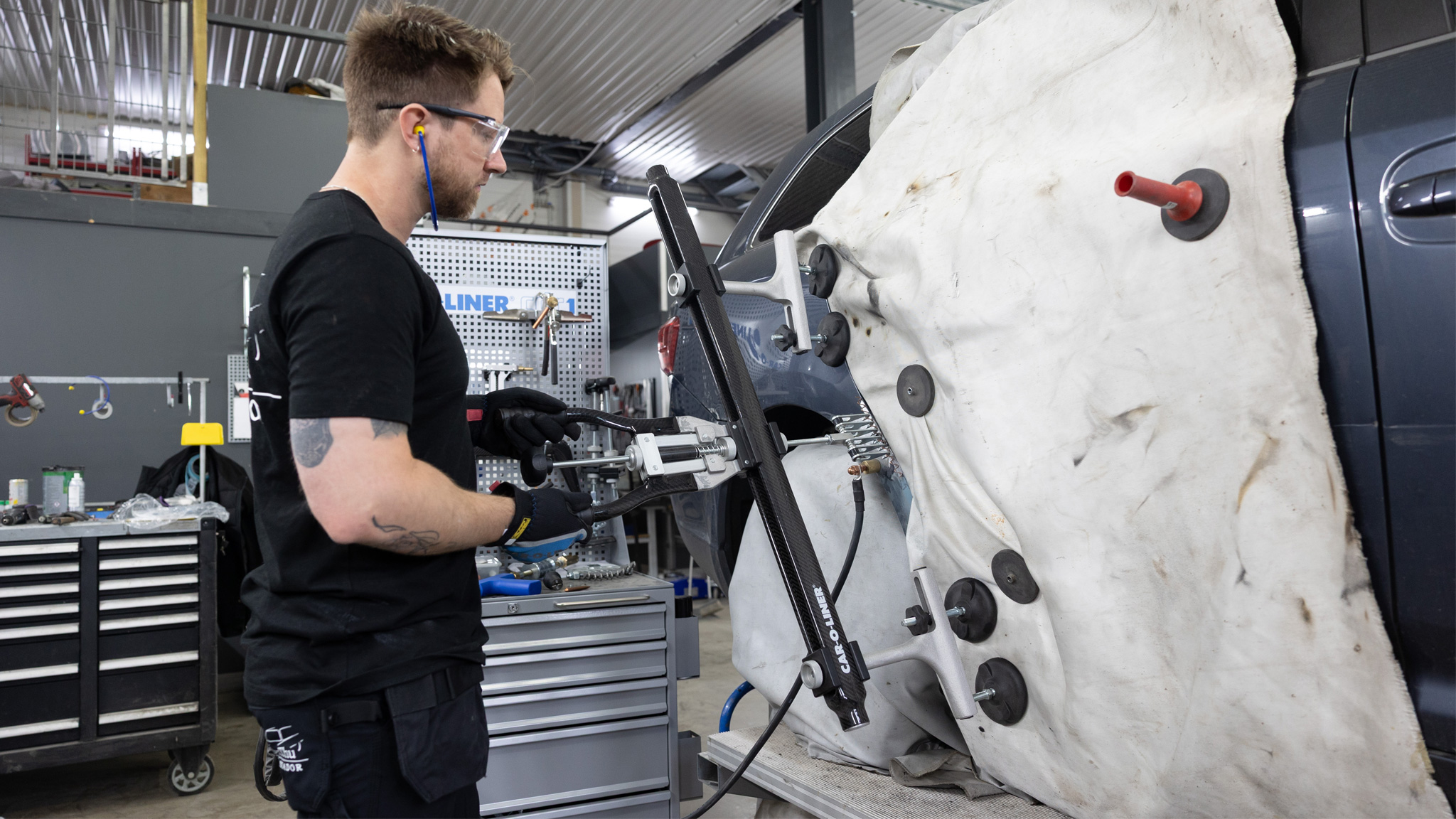
Once they reach the dent, technicians use specialized rods, picks, or body picks to gradually push the metal back to its original form. The process requires patience and precision, applying controlled pressure from behind the panel. Some repairs call for pulling techniques from the front using adhesive tabs and slide hammers. The goal remains consistent: restore the metal’s shape without disturbing the paint.
Use Lighting and Reflections
Proper lighting transforms PDR from guesswork into precision work. Technicians position reflective boards or LED line lights to highlight even the smallest distortions in the panel’s surface. These visual aids reveal high spots and low spots invisible to the naked eye, guiding microscopic adjustments that perfect the repair.
Check the Paint Condition
Paint integrity determines whether PDR can proceed. Technicians carefully inspect for cracks, chips, or stress lines that could worsen during repair. PDR only works when the paint surface remains intact. Sometimes technicians apply controlled heat or work more slowly to avoid stressing the paint further, ensuring the repair preserves the vehicle’s original finish.
Common Techniques
Pushing (from behind)
The most common PDR technique involves inserting rods, picks, or body bars behind the damaged metal panel. Technicians apply steady, controlled pressure to reshape the dent from the inside out. This method works best for accessing dents through door panels, hood braces, and trunk areas.
Pulling (from front)
When backside access proves difficult, technicians use adhesive tabs or specialized pullers glued directly to the dent. They pull outward in measured steps, carefully controlling the force to avoid overcorrection. This technique suits shallow dents on flat surfaces where pushing isn’t practical.
Heat Application
Gentle heat increases metal malleability and reduces paint cracking risk. Technicians use heat guns or infrared lamps to warm specific areas, making the metal more responsive to manipulation. Heat application proves especially useful for aluminum panels and stubborn dents that resist cold working.
Combination
Complex dents often require multiple approaches. Technicians alternate between pushing and pulling, sometimes adding heat, to finesse difficult repairs. This versatility allows them to tackle challenging damage that single techniques can’t resolve.
When is PDR an Option?
Minor Dents and Dings
PDR works best for shallow to moderate dents like door dings and parking lot damage. These common issues respond well to the technique’s gentle manipulation.
Hail Damage
Multiple small, shallow dents from hailstorms make perfect candidates for PDR. The technique efficiently addresses widespread damage without requiring extensive bodywork, though deep or folded metal from severe hail may exceed PDR’s capabilities.
Intact Paint
The paint must remain uncracked, unpeeled, and minimally stressed. This critical requirement determines whether PDR can proceed or if traditional repair becomes necessary.
Accessible Back Side
Technicians need sufficient room and access behind the damaged panel. Some locations provide easy access while others require creative approaches or partial disassembly.
Metal Thickness & Alloy
Different metals respond differently to PDR. While steel panels typically cooperate, thin aluminum presents unique challenges. Shops must evaluate each vehicle’s specific construction to determine repair feasibility.
What Are the Benefits of PDR?
Preserve Factory Paint
PDR maintains the original factory finish, eliminating concerns about color matching, blending, or paint overspray. Your vehicle retains its authentic appearance and value without the telltale signs of traditional bodywork.
Faster Repair Times
Most PDR jobs complete in hours rather than days. Vehicle owners get their cars back quickly, avoiding lengthy shop visits and rental car expenses.
Cost-effectiveness
PDR eliminates expenses for body filler, primer, paint, and clear coat. Lower material costs combined with reduced labor time translate to significant savings compared to traditional repair methods.
Higher Customer Satisfaction
Vehicle owners appreciate keeping their original paint and getting their vehicles back quickly. The noninvasive nature of PDR appeals to customers who value preserving their car’s factory condition.
Competitive Differentiation for Shops
Offering PDR expands service capabilities and attracts new customers. Shops can handle hail damage events, increase throughput during busy periods, and provide options that competitors without PDR cannot match.
Auto Body Equipment for PDR
General Dent Repair Equipment
Our product line includes comprehensive auto body dent pullers featuring suction, glide, and glue-pull systems. Our equipment lets shops remove dents without repainting, reshaping metal through controlled suction, adhesive tabs, and pulling forces. This equipment minimizes invasive work while delivering professional results.
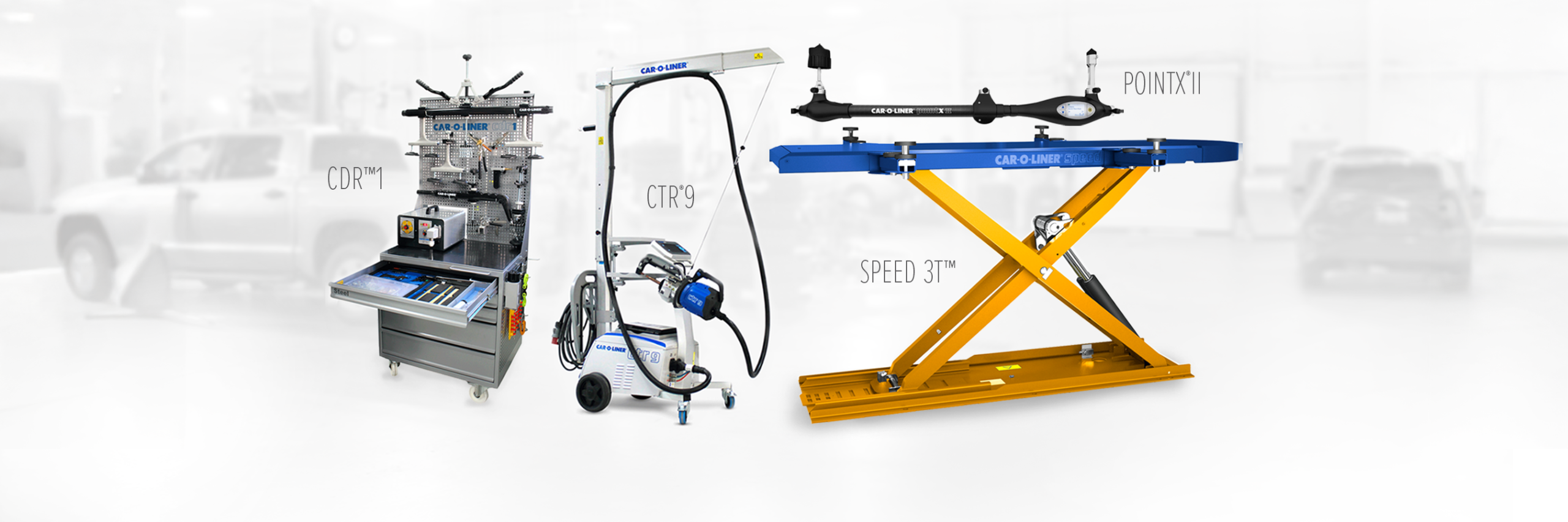
CDR™1 Cosmetic Dent Repair Workstation
The CDR™1 provides an all-in-one, compact workstation designed for light to medium cosmetic dent repairs. It includes the CR™235 Dual Spotter, which effectively removes dents from both steel and aluminum surfaces. The CR235 steel and aluminum combo unit comes exclusively with the CDR1 Workstation.
The workstation features organized storage with dedicated drawers for steel tools, aluminum tools, glue systems, and push-pull equipment. This organization streamlines operations and improves efficiency. Shops position the CDR1 as a value option that boosts margins, increases cycle times, and reduces dependence on heavy, expensive equipment.
CR200
The CR™200 spotter employs a unique short cycle welding process highly effective for both aluminum and steel automotive bodywork. This versatility makes it invaluable when welding screws, pins, and accessories such as washers and keys. The CR200’s precision control ensures consistent results across different materials.
CR35 Spotter
The CR™35 is specifically designed, dimensioned, and manufactured for resistance welding on thin steel sheets. This steel-only spotter excels in welding and traction of studs, nails, washers, rivets, and bolts. Its micro-process control delivers precise power management for consistent welds.
Aluminum Spotter (Aluminum spot / dent pulling tool)
The Aluminum Spotter provides a lightweight, portable solution optimized for aluminum work. Using high-frequency inverter technology, it welds and pulls efficiently while protecting heat-sensitive components. This specialized design suits aluminum body panels where traditional steel-based pullers might cause damage.
Additional Tools and Accessories
Professional PDR requires more than just primary equipment. Shops need comprehensive tool sets including:
- PDR rod and pick sets with specialty bending bars provide the variety needed for different access points and dent types.
- Glue pull kits containing tabs, adhesives, slide hammers, and pullers handle front-side repairs. LED line boards, reflection lights, and optical guides ensure precise visual feedback during repairs.
- Heat guns, infrared heaters, and induction heaters help manipulate stubborn dents and protect paint.
- Magnetic bases, supports, and knockdown tools stabilize panels and refine repairs. Trim removal tools prevent damage during disassembly.
- Training systems help technicians develop skills, while protective gear ensures safety. Measurement tools verify successful repairs.
Conclusion
Paintless Dent Repair provides vehicle owners with a fast, cost-effective, noninvasive method for removing minor dents and hail damage. The technique preserves original paint while delivering professional results in less time than traditional methods.
For shop owners, adding PDR capability increases revenue potential, speeds job completion, and creates competitive advantages. The right tools make the difference between amateur attempts and professional results. Equipment ranging from basic rods and glue pullers to comprehensive workstations like the CDR™1 or specialized units like the Aluminum Spotter helps shops deliver consistent, high-quality repairs.
Shop owners should evaluate return on investment, training requirements, and local market demand before adopting PDR operations. With proper equipment and training, PDR becomes a valuable service that satisfies customers while improving shop profitability. The growing demand for paint-preserving repairs makes now the perfect time to explore PDR capabilities for your shop.