Structural repairs today aren’t just about hitting a number and moving on. You can meet OEM tolerances on a measurement sheet and still end up with a vehicle that doesn’t respond correctly once the structure is carrying suspension and drivetrain forces again.
On the bench, everything is controlled: the vehicle is secured, stable, and you’re reading known points against known data. That’s necessary, but it’s not the whole job. Once the vehicle is back under normal stress, the structure has to transfer them the way it was engineered to. If it’s barely in range across multiple points, that “good enough” can turn into “not actually right.”
Most experienced technicians have seen the pattern. The vehicle checks out, the measurement report looks clean, and nothing is technically incorrect. Then it comes back with a steering pull, uneven tire wear, wind noise, or panel fit that never quite settles. No single point is out of range. The vehicle is “within spec.” But once the structure is back under force again, those edge-of-range points, especially when they land in opposing directions, can stack into a condition the measurement sheet doesn’t reveal.
That’s why getting it into range isn’t enough. Restored performance is the Car-O-Liner® standard. When measuring, anchoring, straightening, and joining reinforce each other, you stop chasing green numbers at the end of the job. You start controlling the repair as it happens with integrated measuring, OEM reference data, and stable anchoring.
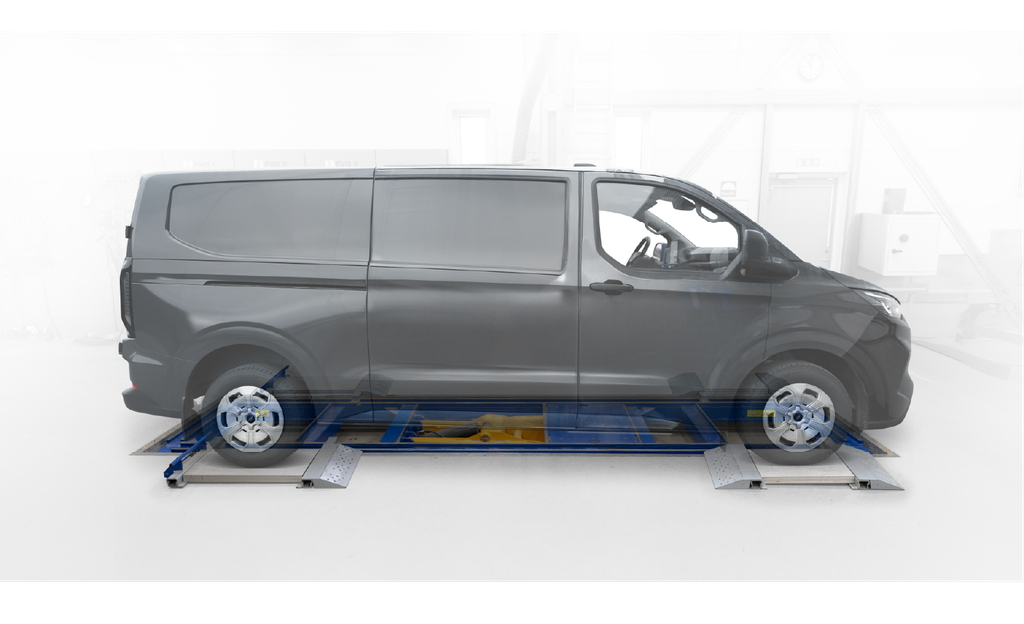
Spec Compliant vs. Performance Safe Repairs
OEM tolerance is often misunderstood. A ±2–3mm specification does not mean a technician has 3mm of freedom everywhere. It means a point may be plus or minus from nominal—not both. If one reference point is corrected to +2mm while another is left at -2mm, the structure can be effectively 4mm out across those locations, even though both measurements technically pass. That difference doesn’t show up as a red number on a report, but it absolutely shows up once the vehicle is under load.
Performance safe repairs aim to put the structure back to its intended position, not the edge. “In range” tells you the vehicle can be released on paper. But when it’s centered up in the spec, you know the structure is back to doing its job. With advanced materials, engineered load paths, and integrated safety systems, modern vehicles leave little room for cumulative error, even when every individual point technically passes.
Why “Within Tolerance” Still Fails on the Road
Tolerance allows variation, not perfection. When tolerances are treated as a total allowance instead of a directional limit, small deviations can cancel each other on paper while compounding in the real world. The measurement report may show every point in green, but the structure is no longer centered in its intended geometry. Once suspension loads, drivetrain torque, and road forces are reintroduced, those opposing deviations reveal themselves through handling, tire wear, noise, and calibration instability.
Here are common outcomes that can show up even when the measurements technically pass:
- Subtle tracking or steering pull
- Increased or uneven tire wear
- Wind noise that wasn’t present pre-loss
- Panel fit inconsistencies that resist adjustment
- ADAS calibration sensitivity or repeated recalibration attempts
- A vehicle that measures fine but never quite feels settled
Energy management adds another layer of risk. Primary structural components are engineered to absorb and transfer impact forces predictably. If a component is over pulled, under corrected but still within tolerance or hardened from repeated pulls, it may measure acceptable but respond differently in a subsequent collision. With ultra-high-strength steel (UHSS), aluminum, and mixed material assemblies, repair thresholds are narrow, and small distortions can affect weld integrity, residual stress, and future force transfer.
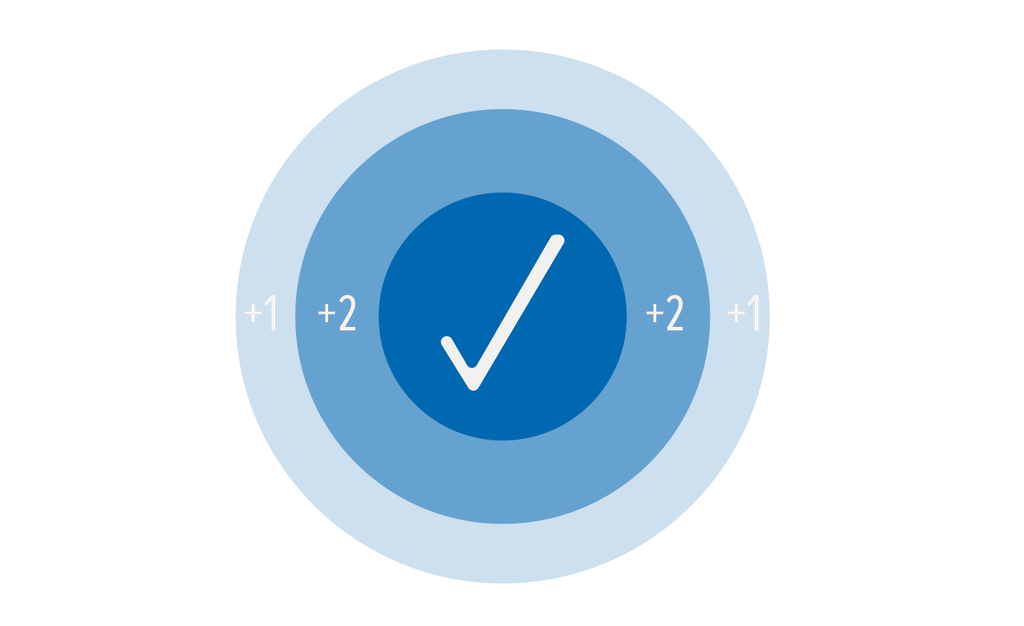
Training Technicians to Target Center-of-Spec
Training stops being generic when the workflow prioritizes control over final confirmation. Consistent results come from doing the same checks, the same way:
-
Target center-of-spec, not just “in range”
Pull back to target and hold it there to reduce dimensional stacking and prevent borderline geometry from showing up later
-
Blueprint before you pull
Compare pre-repair measurements, separate primary damage from secondary movement, and map the load paths before force is applied
-
Use live measuring during pulling
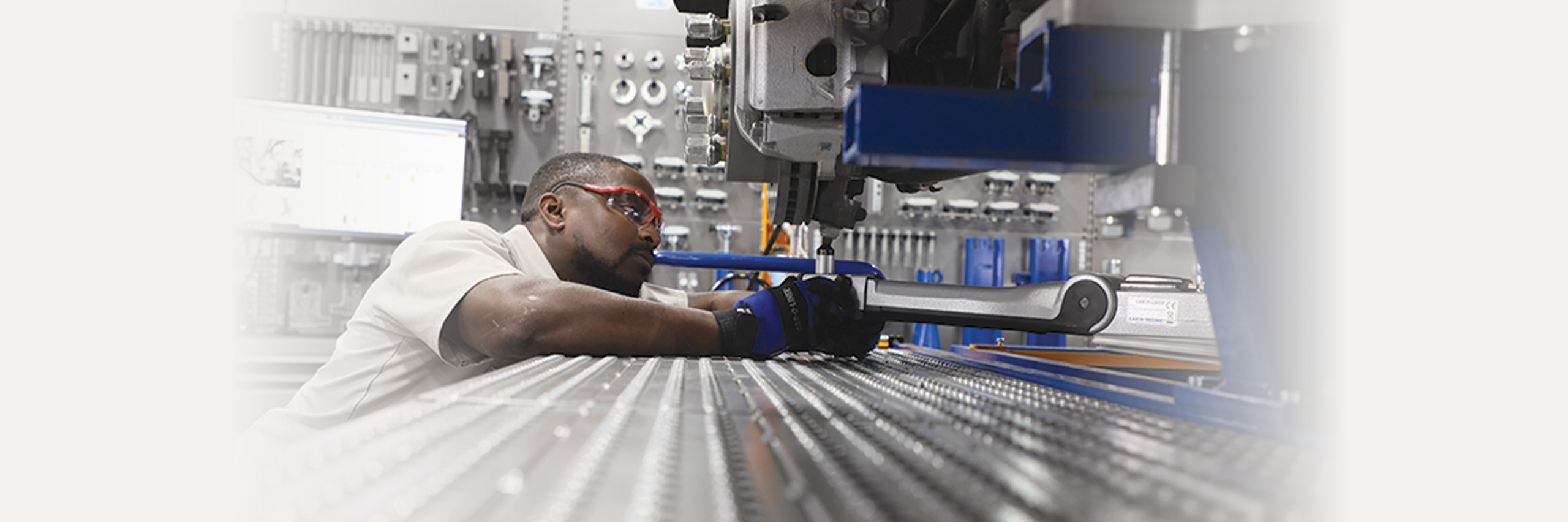
With Vision2™, technicians can see deviation changes during the pull, avoid over-correction, and keep symmetry under control while the vehicle is fixtured
-
Anchor like the pull matters
Correct anchoring and holding reduces secondary distortion and makes the pull repeatable instead of reactive
-
Verify as you go
Measure, correct, recheck, and document during restoration, not only after the structure has settled
Car-O-Liner Academy training reinforces the structural “why” behind these steps: load paths, metal behavior under stress, multi-point evaluation, and proper anchoring and fixturing.
How Car-O-Liner Supports Structural Restoration
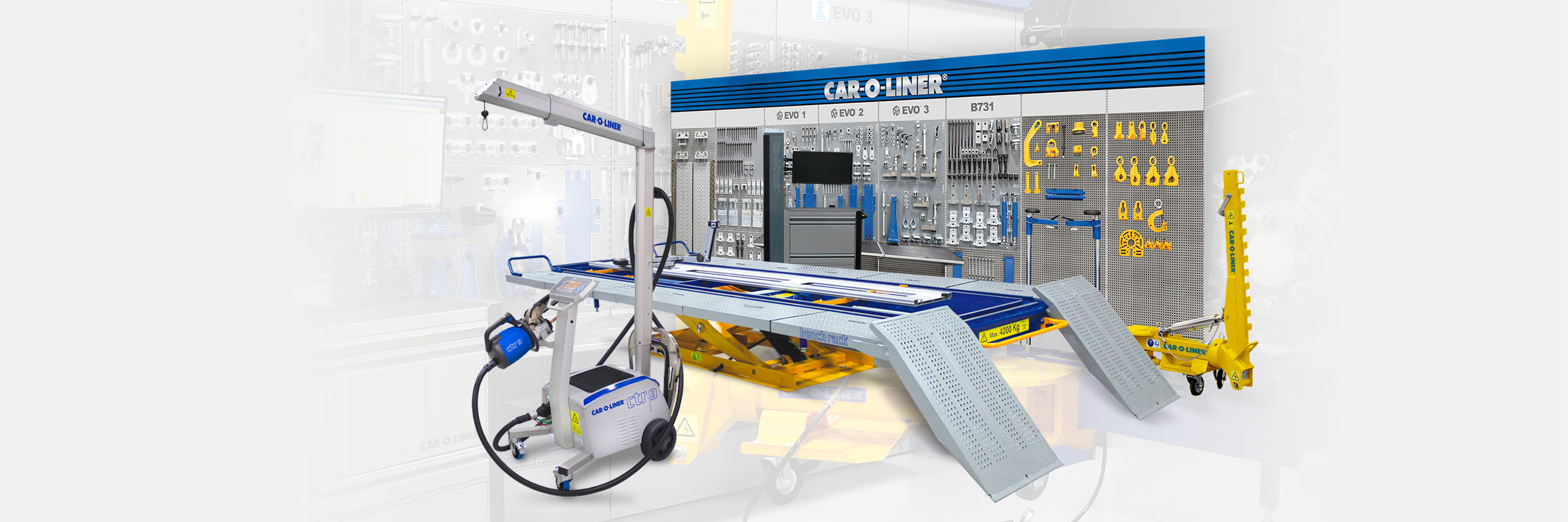
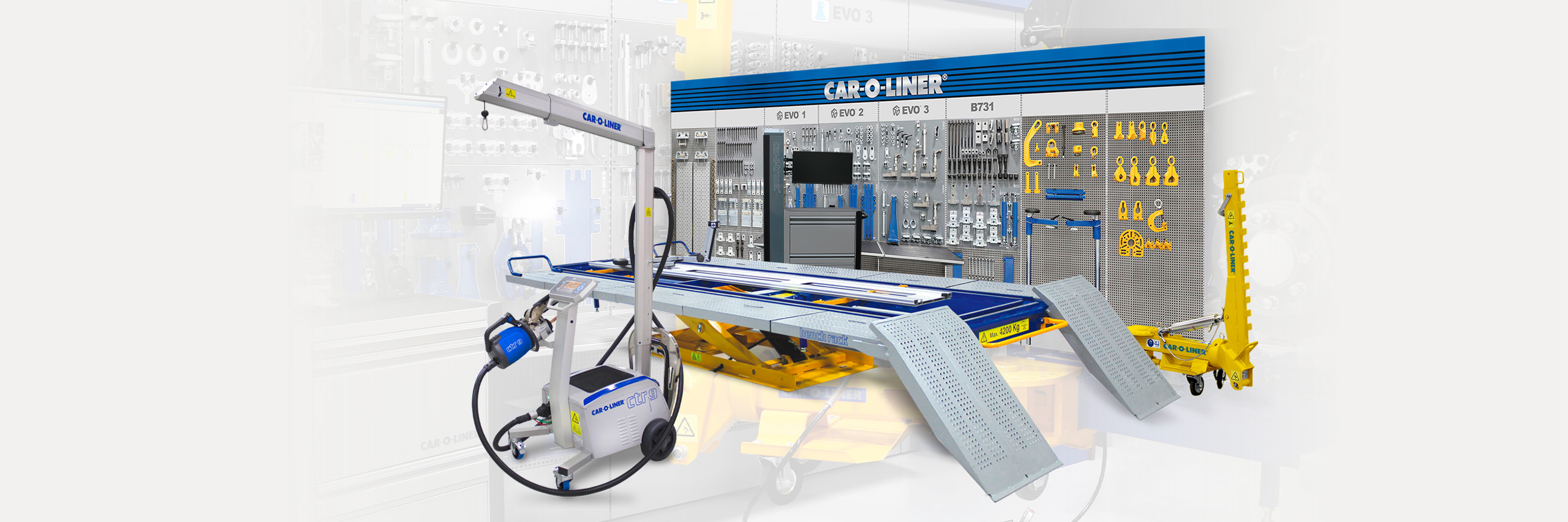
Car-O-Liner systems keep diagnosis, correction, and verification connected using Car-O-Tronic® with Vision2™ Software, Car-O-Data®, BenchRack™ Versa or QUICK42™, and EVO™ 1-2-3. This ensures technicians can control structure throughout the repair, document decisions, and verify results without relying on end-of-job measurement alone.
The Real Standard: Restored Performance
A vehicle that tracks straight, accepts ADAS calibration cleanly, holds consistent panel gaps, and manages impact energy as designed didn’t just pass a tolerance check. It performs. That result comes from controlling the repair while it’s happening, not validating it afterward. Meeting specifications is the baseline. Restoring performance is the responsibility. So measure with intent and anchor with purpose. Restore the structure, not just the numbers.